How In-Store Signage Improves the Retail Customer Experience
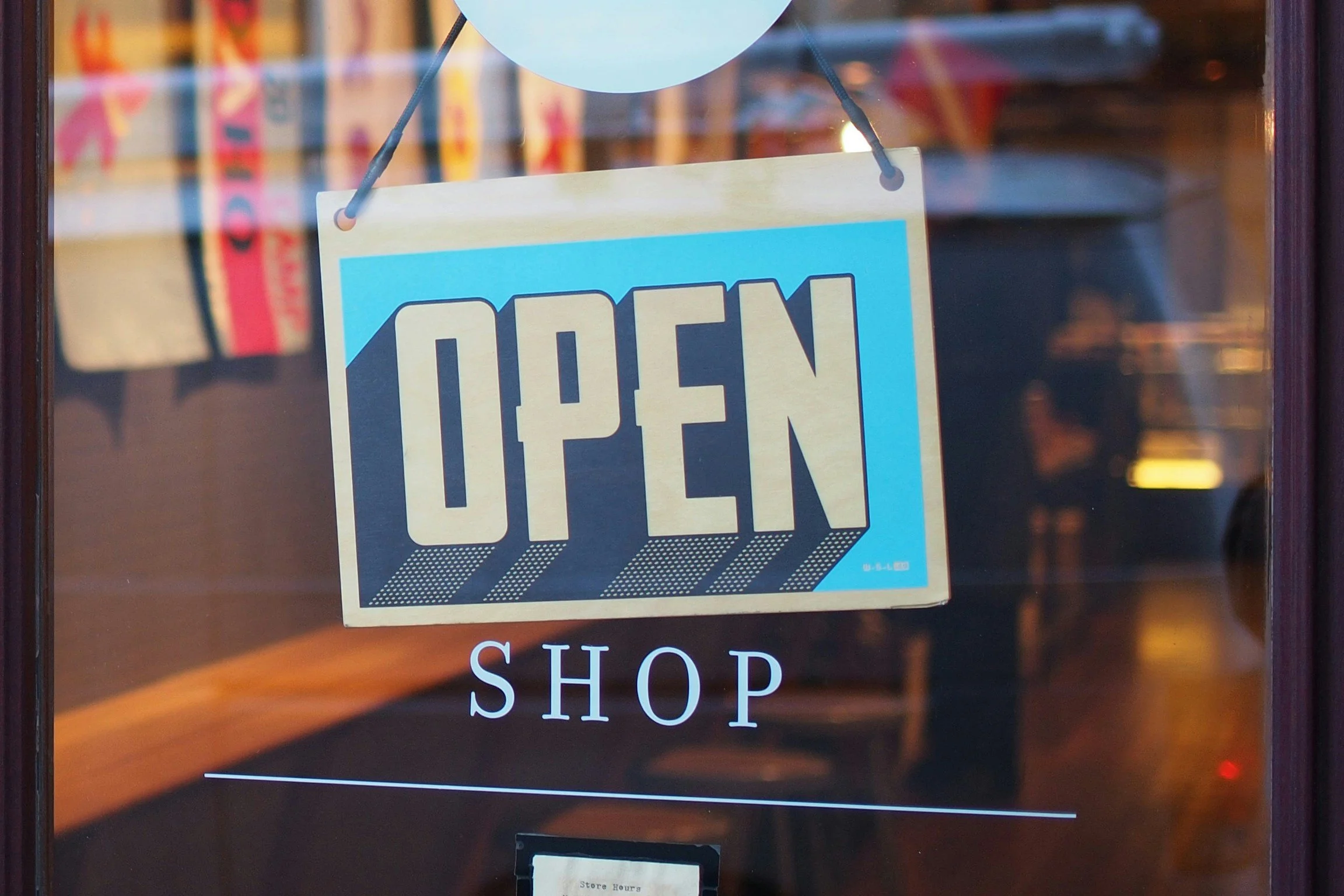
In-store signage is one of the most overlooked parts of the retail customer experience.
When it works well, most people barely notice it. They simply know where to go, what they are looking at, and what steps to take next. That is exactly what good signage is supposed to do. It quietly removes confusion and helps the store feel easier to shop.
A retail space can be beautifully designed, well stocked, and full of strong merchandise, but if customers do not understand the layout or cannot quickly find what they need, frustration shows up fast. Even small moments of uncertainty can change how a shopper feels in the space. If they have to hunt for fitting rooms, wonder where checkout is, or struggle to make sense of a product display, the store starts to feel less polished and less welcoming.
Good signage helps solve that.
Signage Helps Customers Feel More Comfortable Right Away
The first few moments inside a store matter more than many retailers realize.
As soon as a customer walks in, they begin scanning the environment. They are taking in the layout, looking for product categories, trying to understand the overall flow, and deciding where to go first. Signage plays a major role in that first impression.
Clear category signs, directional cues, sale messaging, and service-area markers help customers feel oriented right away. Instead of guessing, they can quickly understand how the store is organized. That sense of clarity makes shopping feel easier and more relaxed.
And relaxed customers tend to stay longer than confused ones. Not exactly groundbreaking, but somehow still overlooked all the time.
It Reduces Friction Throughout the Store
Good retail design is often about reducing friction, and signage is one of the simplest ways to do that.
Customers should not have to work hard to find the basics. They should not need to ask where the fitting rooms are, where to pick up orders, where to find a department, or whether a display is showing new arrivals, featured items, or sale merchandise. Signage can answer these questions quickly and naturally.
This does not mean every available surface needs a sign slapped on it. Too much signage creates its own kind of chaos. The goal is not more signs. The goal is better signs in the right places.
When signage is thoughtful and well placed, it helps the shopper move through the store with less effort. That smoother experience can make a big difference in how customers perceive the business as a whole.
Signage Supports Better Product Discovery
In-store signage is not just about navigation. It also helps customers notice and understand merchandise.
A great display can catch attention, but signage gives it context. It can explain what is new, what makes a product special, what collection it belongs to, or how multiple items work together. That matters because customers often make decisions quickly. The easier it is to understand what they are seeing, the more likely they are to engage with it.
This is especially important in stores with curated assortments, seasonal product stories, or multiple product categories. Signage can help connect the dots between products and create a more intentional shopping experience.
Instead of customers simply passing by, good signage gives them a reason to stop and look more closely.
It Makes Merchandising More Effective
Visual merchandising and signage should work together.
A display without signage can sometimes feel unfinished or unclear. A sign without strong visual merchandising can feel flat or easy to ignore. When the two are aligned, they create a stronger message.
For example, a front-of-store table might feature spring arrivals, a color story, or a themed product collection. Signage helps communicate that idea clearly. It tells the shopper what they are looking at and why it deserves attention.
This is where signage becomes more than informational. It becomes part of the selling process. It reinforces the story the merchandising is trying to tell and helps turn visual appeal into actual customer action.
Good Signage Builds Confidence
One of the best things signage can do is help customers feel more confident while shopping.
Confidence matters in retail. People are more likely to explore, browse, and buy when they feel comfortable in the space. Clear signage reduces hesitation. It helps customers feel like they understand the store and can move through it easily without asking for help every few minutes.
That does not mean customer service becomes less important. It just means the store itself starts doing a better job of supporting the experience. Staff can then focus on deeper service and more meaningful interactions instead of repeating the same directional information all day.
That is better for the customer and frankly better for the team too.
Consistency Makes the Store Feel More Polished
The best signage systems feel connected to the store’s brand and design.
When signage is consistent in typography, color, materials, language, and placement, the store feels more organized and intentional. Customers may not be consciously analyzing all of those details, but they absolutely notice when things feel cohesive and when they do not.
Inconsistent signage can make even a nice store feel disjointed. If one sign looks modern, another looks temporary, and another looks like it came from an entirely different business, the environment starts to lose credibility.
Strong signage helps reinforce the brand and makes the entire store feel more complete.
Simplicity Usually Wins
One of the biggest mistakes retailers make is overcomplicating signage.
A sign does not need to say everything. In most cases, it should communicate one idea quickly and clearly. The most effective signs are readable at a glance, easy to understand, and visually clean.
Customers are not wandering the sales floor hoping to read a paragraph. They are scanning. They are deciding. They are moving. Signage should match that behavior.
Simple wording, good hierarchy, readable fonts, and strong contrast usually do far more than overloaded signs packed with too much information.
Final Thoughts
In-store signage plays a bigger role in the retail customer experience than many businesses realize.
It helps customers feel oriented, reduces friction, supports product discovery, strengthens merchandising, and creates a smoother overall shopping experience. It also helps a store feel more polished, more intentional, and easier to trust.
At West Design, we believe great retail spaces are built through layers of thoughtful decisions, and signage is one of those layers that can quietly make a huge impact. When it is done well, customers may not stop and compliment the signage itself, but they will feel the difference throughout the store.
And in retail, that kind of invisible improvement is often doing some of the heaviest lifting.