Why Great Retail Design Still Matters in an Online Shopping World
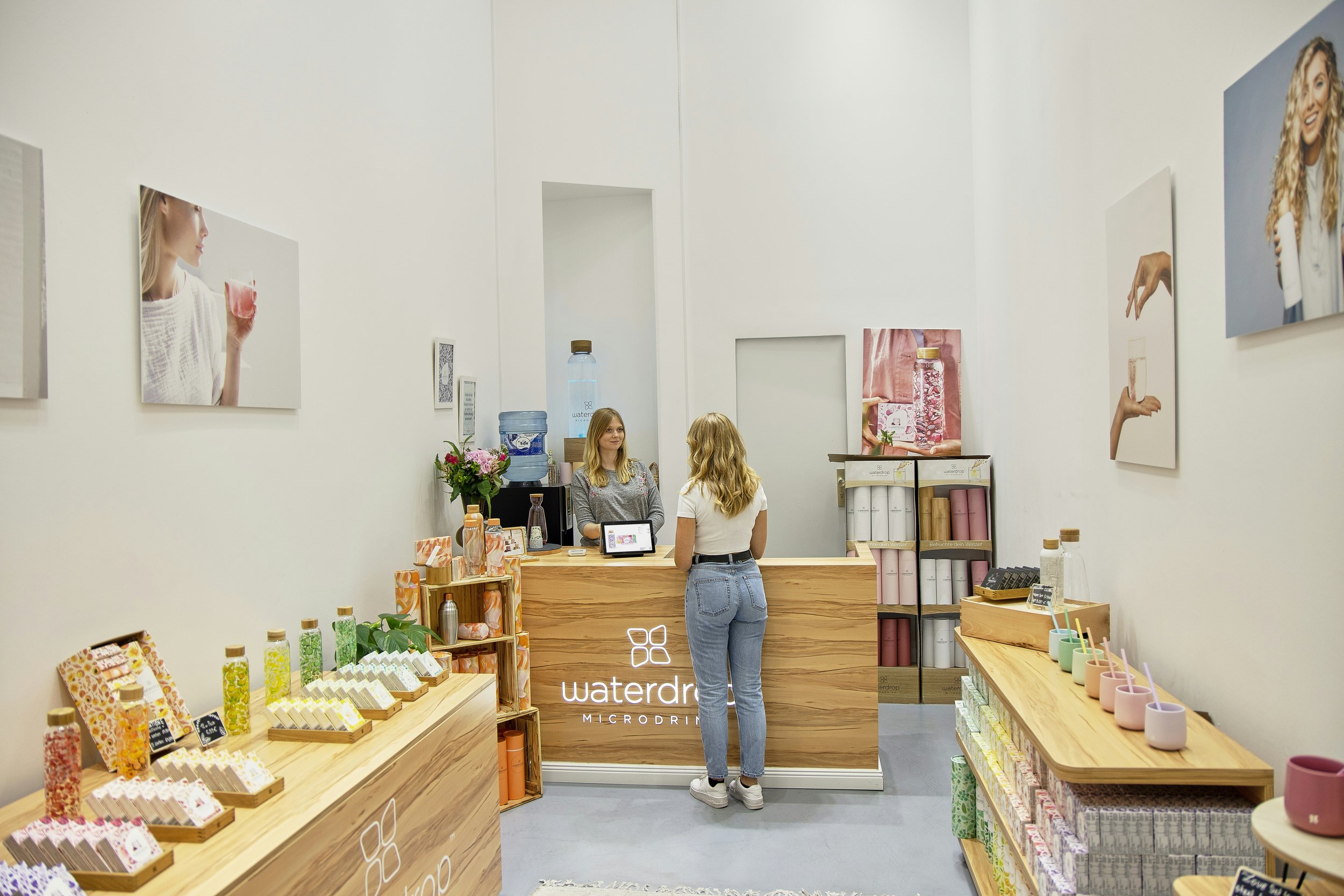
With online shopping everywhere, it is easy to assume brick-and-mortar retail has lost its edge.
It has not.
What has changed is the job of the physical store. A retail space is no longer just a place to hold inventory. It is a place to create an experience, build trust, reinforce the brand, and give customers a reason to come back. That is where great retail design makes all the difference.
A well-designed store does more than look good. It helps a business function better, feel more memorable, and sell more effectively.
The Store Is Part of the Brand
A customer starts forming an opinion about a business long before they speak to an employee or make a purchase.
They notice the lighting. The layout. The finishes. The flow. The energy of the space. Whether it feels polished, welcoming, confusing, trendy, dated, expensive, or a little bit like no one has touched it since 2007.
Retail design communicates all of that quickly.
A thoughtfully designed store helps a brand feel cohesive and intentional. It tells customers who you are without needing a paragraph on the wall to explain it.
Experience Is What Physical Retail Does Best
Online shopping wins on convenience. Physical retail wins on experience.
Customers can touch products, try things on, see color and scale in person, ask questions, and connect with the brand in a more immediate way. But that experience only works when the environment supports it.
A store should guide customers naturally through the space, highlight products clearly, and make the shopping experience feel easy rather than chaotic. Good design removes friction. It helps the customer relax, explore, and stay longer.
And generally speaking, people do not linger in spaces that feel awkward, cluttered, or lit like an interrogation room.
Good Design Helps Products Sell
Retail design is not just decoration. It is strategy.
Store layout, fixture placement, sightlines, color, lighting, and merchandising all influence how shoppers move, what they notice, and what they buy. When those elements work together, products are easier to shop and more likely to stand out.
Even small updates can make a major difference:
improving traffic flow
creating stronger focal points
updating finishes
refining display areas
making signage easier to understand
giving key products more visual breathing room
Sometimes the issue is not the product. It is that the space is making the product work too hard.
Memorable Stores Create Loyalty
Customers remember how a space made them feel.
A store that feels thoughtful, inviting, and easy to shop creates a stronger emotional impression than one that feels generic or disconnected. That impression matters. It can influence whether someone returns, recommends the business, or follows the brand online afterward.
In a crowded market, memorable design becomes a competitive advantage. It helps businesses stand out in a way that goes beyond price.
Because sure, discounts are nice. But so is walking into a place that feels like it actually knows what it is doing.
Design Supports the Team Too
Retail design does not just affect customers. It affects employees every day.
A better store layout can improve workflow, reduce frustration, support better service, and make day-to-day operations smoother. When the space is easier to work in, the team can focus more on the customer and less on fighting the environment.
That matters more than people think.
Great retail design should support both sides of the experience: the people shopping and the people making the store run.
Physical Stores Still Matter — But Expectations Are Higher
Brick-and-mortar retail is absolutely still relevant. The catch is that customers expect more now.
They want convenience, yes, but they also want atmosphere, clarity, personality, and a reason to choose one store over another. Retail design helps create that difference. It turns a store from a place that simply exists into one that people actually remember.
That does not always require a full renovation. Sometimes it starts with a smarter layout, better lighting, stronger merchandising, or a more cohesive design direction.
Final Thoughts
In an online shopping world, physical retail has become more important, not less.
The store is where brands become tangible. It is where customers connect with products in real life. It is where experience, environment, and branding all come together.
At its best, retail design helps a business do more than look updated. It helps the store work better, feel better, and leave a stronger impression.
And that is exactly why great retail design still matters.